
Preparing for Winter in Massachusetts: Senior Health & Home Safety Tips for Cold Weather
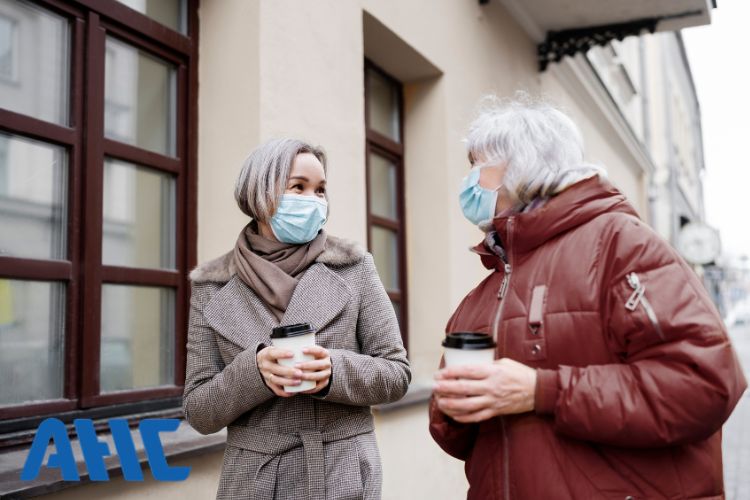
Winter in Massachusetts can be beautiful but it can also be challenging, especially for older adults. From heavy snowstorms and icy sidewalks to freezing temperatures and shorter daylight hours, New England winters bring unique risks for seniors who want to remain safe and independent at home. Whether your loved one lives in Boston, Cambridge, Worcester, Springfield, Quincy, Lowell, or a smaller community across the North Shore, South Shore, MetroWest, or Central Massachusetts, winter preparation is essential.
At Associated Home Care, supporting seniors through harsh Massachusetts winters is a year-round priority. This guide provides practical senior health and home safety tips to help families prepare for cold weather across the Commonwealth.
Why Winter Preparation Is Critical for Massachusetts Seniors
Massachusetts winters are unpredictable. Nor’easters, freezing rain, black ice, and sub-zero wind chills can arrive quickly and linger for days. For seniors, these conditions increase the risk of falls, illness, and isolation particularly for those living alone or managing chronic health conditions.
Common winter-related concerns for seniors in Massachusetts include:
- Slippery sidewalks and icy driveways
- Increased fall risk when entering or leaving the home
- Cold-related illnesses such as hypothermia
- Worsening arthritis and joint pain
- Seasonal flu and respiratory infections
- Social isolation during long winter months
Proactive winter planning helps seniors in Massachusetts stay safe, warm, and supported at home.
Keeping Seniors Warm During Massachusetts Winters
Older adults are more sensitive to cold and may not recognize when their body temperature drops. Maintaining warmth indoors is essential during New England winters.
Tips to stay warm at home:
- Keep indoor temperatures between 68–72°F
- Dress in layers, even inside the house
- Wear warm socks, slippers, and sweaters
- Keep blankets accessible in living spaces and bedrooms
- Seal drafts around windows and doors
Heating systems should be serviced annually before winter begins. Space heaters should be used with caution and kept away from curtains, bedding, and furniture.
Preventing Falls During Snow and Ice Season
Falls are one of the leading causes of injury among seniors, and winter conditions in Massachusetts significantly increase that risk.
Outdoor fall prevention tips:
- Shovel snow promptly after storms
- Apply ice melt or sand to walkways and steps
- Install sturdy handrails at entrances
- Ensure outdoor lighting is bright and functional
- Encourage non-slip winter footwear
Indoor fall prevention tips:
- Remove loose rugs and clutter
- Improve lighting in hallways and staircases
- Install grab bars in bathrooms
- Place non-slip mats near entrances
Reducing fall hazards both indoors and outdoors is one of the most important steps families can take to protect seniors during Massachusetts winters.
Supporting Senior Health in Cold Weather
Cold temperatures and reduced activity levels can impact physical health, especially for seniors living in areas like Greater Boston or Central Massachusetts where winter weather limits outdoor movement.
Encourage safe indoor activity
Even during snowstorms, movement is important:
- Chair exercises
- Stretching routines
- Light resistance training
- Walking indoors
Staying active helps maintain strength, circulation, and balance throughout the winter months.
Manage chronic conditions
Cold weather can aggravate arthritis, heart disease, and respiratory conditions common among older adults. Seniors should:
- Take medications as prescribed
- Keep medical appointments or use telehealth when possible
- Monitor symptoms closely
- Avoid sudden exposure to extreme cold
Winter Nutrition and Hydration for Seniors
Hydration is often overlooked during winter, but dehydration remains a risk especially for seniors.
Cold-weather nutrition tips:
- Encourage regular fluid intake
- Offer warm beverages like tea, soup, or broth
- Serve balanced meals with adequate protein
- Include immune-supporting nutrients such as vitamins C and D
- Limit excess sodium and processed foods
Warm, nutritious meals help seniors maintain energy and body warmth during long Massachusetts winters.
Preventing Flu and Seasonal Illness
Flu and respiratory illnesses spread quickly during winter, particularly in densely populated areas such as Boston, Cambridge, and surrounding communities.
Illness prevention strategies:
- Stay current with flu and other vaccinations
- Practice frequent handwashing
- Clean commonly touched surfaces
- Limit exposure to sick visitors
- Encourage proper rest and sleep
Early medical attention is critical if symptoms worsen or persist.
Home Safety Checks for Massachusetts Winters
Before winter arrives, families should conduct a thorough home safety inspection—especially in older Massachusetts homes.
Key safety areas to review:
- Heating systems and furnace filters
- Smoke and carbon monoxide detectors
- Emergency lighting and flashlights
- Electrical cords and outlets
- Backup power plans if applicable
Carbon monoxide risk increases in winter due to heating systems, making working detectors essential in all Massachusetts homes.
Preparing for Power Outages and Winter Storms
Snowstorms and nor’easters can cause power outages across Massachusetts, sometimes lasting several days.
Emergency preparedness tips:
- Keep an emergency kit with food, water, and supplies
- Store extra medications and medical equipment
- Maintain a list of emergency contacts
- Keep phones charged and accessible
- Arrange regular check-ins during storms
Preparation ensures seniors remain safe and connected even during severe winter weather.
Combating Winter Isolation and Loneliness
Shorter daylight hours and icy roads can increase isolation for seniors across Massachusetts especially in suburban and rural areas.
Ways to stay socially connected:
- Schedule regular family visits or phone calls
- Encourage video chats with loved ones
- Support hobbies and indoor activities
- Consider companion care services
Social engagement plays a vital role in emotional and mental well-being during the winter months.
How In-Home Care Helps Massachusetts Seniors in Winter
Winter often increases caregiving demands. Professional in-home care provides added safety and peace of mind for families.
In-home caregivers can assist with:
- Personal care and hygiene
- Meal preparation and hydration reminders
- Medication reminders
- Light housekeeping and safety monitoring
- Companionship and emotional support
Reliable in-home care helps seniors throughout Massachusetts remain safe, comfortable, and independent at home all winter long.
Supporting Family Caregivers Across Massachusetts
Family caregivers often face increased stress during winter due to weather disruptions and health concerns.
Caregiver support strategies:
- Share responsibilities among family members
- Schedule respite care to prevent burnout
- Plan ahead for snow and ice events
- Maintain open communication
Supporting caregivers helps ensure consistent, high-quality care for seniors.
Creating a Personalized Winter Care Plan in Massachusetts
Every senior’s needs are unique, and winter care planning should reflect individual health conditions, living environments, and local weather risks.
A winter care plan may include:
- Health and medication management
- Fall prevention strategies
- Emergency preparedness plans
- Care schedules and regular check-ins
- Social and emotional support goals
Reviewing this plan before winter begins helps families across Massachusetts feel confident and prepared.
A Safer, Healthier Winter for Massachusetts Seniors
With thoughtful planning, Massachusetts winters don’t have to compromise senior safety or independence. By addressing health risks, improving home safety, staying socially connected, and preparing for emergencies, seniors can continue to thrive at home even during the coldest months.
Winter preparation is about more than avoiding hazards it’s about creating a secure, comfortable environment that supports dignity, independence, and peace of mind for seniors and their families across Massachusetts. Contact Associated Home Care today to learn more.